
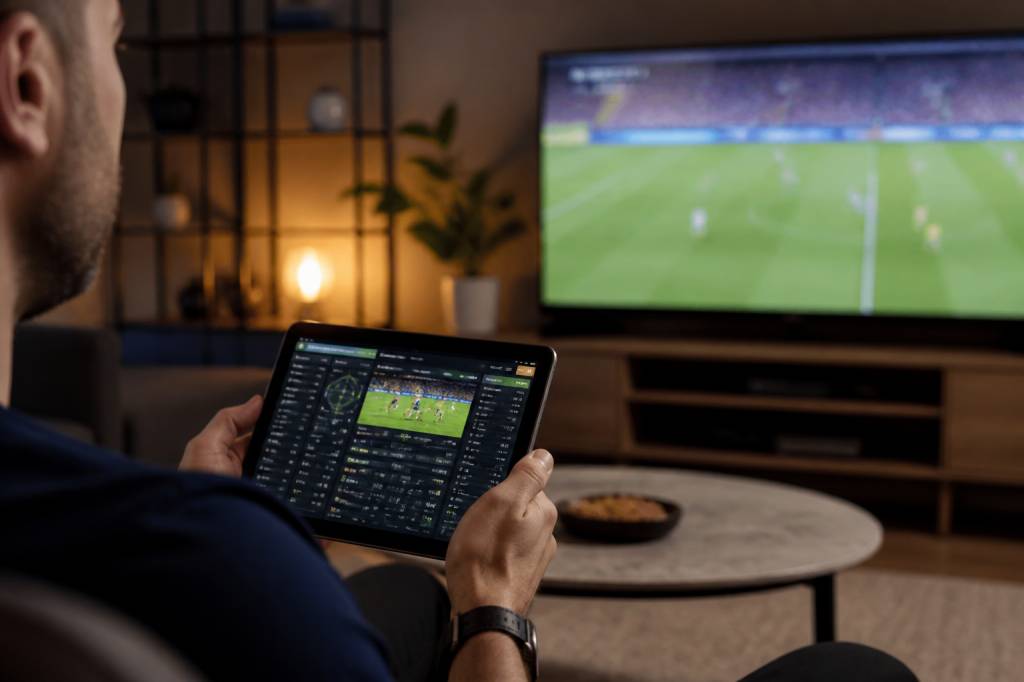
Live sports have always been about immediacy, emotion, and shared experience. Yet the way fans watch games is changing rapidly. The rise of immersive second-screen experiences is reshaping live sports consumption, turning passive viewers into active participants. Whether through smartphones, tablets, smart TVs, or connected apps, fans now expect more than a single broadcast feed. They want real-time statistics, social interaction, personalized content, and interactive features that deepen their connection to the game.
This shift is not just a passing trend. It reflects broader changes in media consumption, mobile technology, and sports broadcasting strategy. As audiences become more digitally connected, sports rights holders, leagues, broadcasters, and streaming platforms are adapting to meet new expectations. The result is a more layered viewing experience that blends live action with data, conversation, and customization.
The Rise of Second-Screen Viewing in Sports
The term “second screen” refers to the use of a secondary device, most commonly a smartphone or tablet, while watching television or streaming content. In live sports, this behavior has become especially common. Fans often use a second screen to check player stats, follow social media reactions, view highlights, compare fantasy sports performance, or interact with live polls and polls in real time.
Second-screen engagement has grown alongside the expansion of sports streaming and mobile internet access. A decade ago, fans might have relied on the broadcast alone. Today, they expect instant access to contextual information and supplementary content. This is particularly true for younger audiences, who are more comfortable multitasking across devices and navigating digital ecosystems during live events.
For broadcasters and media companies, second-screen behavior presents both an opportunity and a challenge. It can extend engagement time, increase audience loyalty, and open new monetization channels. At the same time, it can fragment attention, making it harder to keep viewers focused on the primary broadcast. The most successful platforms are those that integrate the second screen in a way that enhances, rather than distracts from, the live sports experience.
Why Immersive Features Matter to Modern Fans
Modern sports fans expect more control over how they consume content. They no longer want to sit back and receive information passively. Instead, they want to explore live data, choose alternate camera angles, and interact with content in ways that suit their interests. Immersive second-screen experiences respond to this demand by providing deeper access to the game.
Real-time statistics are one of the most widely used features. Fans can track possession percentages, shot maps, pitch heat zones, serve speeds, or player biometrics depending on the sport. This data helps them understand tactical patterns and individual performance in more detail than the traditional broadcast commentary alone.
Interactive graphics, live voting, and social media integration also play a major role. Many sports apps allow fans to participate in predictions, answer trivia, or join discussion threads while the match is underway. These features create a sense of involvement and community, especially during high-profile games, playoffs, and major international tournaments.
For broadcasters, these tools are valuable because they keep users inside their ecosystem. A viewer who checks a live stats app, watches an instant replay, and responds to a fan poll is more likely to remain engaged throughout the event. This higher engagement can translate into stronger retention, better advertising performance, and more opportunities for sponsorship activation.
How Technology Is Powering the Shift
The growth of immersive second-screen experiences is being powered by advances in mobile technology, cloud computing, 5G connectivity, and data analytics. Faster networks make it possible to deliver live updates with minimal delay. Improved app design allows platforms to present rich media in a clean, intuitive format. Meanwhile, machine learning and personalization tools help tailor content to individual users.
Augmented reality is also beginning to influence live sports consumption. Some apps allow fans to overlay statistics, tactical visuals, or player information directly onto their screen. Others offer virtual stadium views, 3D replays, or data-rich visualizations that make complex moments easier to interpret. These technologies are especially appealing in sports such as football, basketball, tennis, and motorsport, where timing and detail are crucial.
Another important driver is the integration of second-screen features into official sports apps and streaming platforms. Rather than relying on third-party websites or social media feeds, fans can now access live scores, team news, and highlights in one place. This unified experience reduces friction and increases the likelihood of repeated use.
Streaming services are also experimenting with multi-view options, personalized commentary, and alternate feeds that give fans more choice. For example, a viewer may select a tactical camera angle, a condensed version of the match, or a data-heavy stream aimed at more analytical fans. These options reflect a broader move toward customized sports viewing.
The Impact on Sports Broadcasting
Traditional sports broadcasting was built around a shared linear experience. Millions of viewers watched the same feed, at the same time, with the same commentary. Second-screen experiences have not replaced that model, but they have changed the relationship between the viewer and the broadcast. The modern live sports product is increasingly hybrid, combining the main screen with a digital layer of interaction.
This transformation has encouraged broadcasters to think more like digital product companies. They are now investing in app development, user experience design, audience segmentation, and data-driven content strategies. Broadcast teams are also collaborating more closely with social media editors, digital producers, and analytics specialists.
From a commercial perspective, the second screen offers new advertising inventory. Sponsored polls, branded stats dashboards, interactive banners, and targeted in-app promotions can all be integrated into the user journey. Because these experiences are often tied to live moments, they can be highly visible and contextually relevant.
There is also a clear relationship between second-screen engagement and sports rights value. Leagues and broadcasters that can demonstrate strong digital interaction may be better positioned to negotiate future media deals. In a crowded entertainment market, the ability to prove audience engagement across multiple touchpoints is increasingly important.
Fantasy Sports, Betting, and Real-Time Engagement
Fantasy sports and sports betting have become major drivers of second-screen behavior. Fans involved in fantasy leagues often monitor individual player performance more closely than the average viewer. They may use a second device to check points, substitutions, injury updates, and lineup changes throughout the match. This creates a more analytical form of sports viewing.
Legal sports betting has further accelerated second-screen usage in many markets. Live odds, in-play betting markets, and probability trackers encourage fans to follow games with greater intensity. They may switch between the broadcast and a betting app to evaluate momentum, compare odds, or react to pivotal moments.
This trend has important implications for live sports consumption. It increases the frequency of interaction and can make even lower-profile matches feel meaningful. However, it also raises questions about responsible engagement, data accuracy, and the need for clear regulatory oversight. Sports platforms that incorporate betting-related features must balance user engagement with safeguards and transparency.
Social Media and the Collective Viewing Experience
Social media remains one of the most powerful second-screen tools in live sports. Platforms such as X, Instagram, TikTok, and Facebook allow fans to react instantly to goals, controversial calls, injuries, and dramatic finishes. This real-time conversation adds an emotional dimension to sports viewing, creating a sense of shared experience even when fans are physically apart.
Live sports are particularly well suited to social media because they are unscripted and time-sensitive. Every major moment can generate a wave of commentary, memes, clips, and analysis within seconds. For many fans, following the online reaction is now part of watching the game itself.
Broadcasters and leagues have recognized this behavior and increasingly design content around it. Short-form highlights, behind-the-scenes videos, and player interviews are distributed across social platforms to capture attention before, during, and after games. This content also helps bring casual viewers into the broader sports ecosystem.
The second screen can also amplify the emotional stakes of live competition. A controversial penalty, an unexpected comeback, or a record-breaking performance can trigger immediate discussion and debate. This creates a richer, more participatory form of sports consumption, where the audience plays an active role in shaping the narrative.
Personalization and the Future of Live Sports Consumption
One of the most significant advantages of immersive second-screen experiences is personalization. Fans can choose the information they want to see, follow the teams they care about most, and interact with content that reflects their interests. Over time, this level of customization may become the standard expectation for live sports consumption.
Artificial intelligence is likely to deepen this trend. Recommendation engines can suggest relevant clips, statistics, and storylines based on viewing history. Personalized notifications can alert fans to key moments, lineup changes, or milestones. As these systems become more sophisticated, sports platforms will be able to deliver increasingly tailored experiences.
We may also see more integration between second-screen tools and wearable devices, voice assistants, and connected home technology. A fan could ask for live stats, receive instant updates through a smartwatch, or switch camera angles with a voice command. These developments would make the live sports experience more seamless and interactive.
At the same time, the success of these features will depend on usability. Fans will not adopt second-screen tools if they are slow, cluttered, or difficult to navigate. The most effective solutions will be those that feel natural, intuitive, and genuinely useful during live action.
What This Means for Fans, Broadcasters, and Leagues
Immersive second-screen experiences are changing live sports consumption by making it more interactive, data-rich, and personalized. For fans, this means greater access to information and more ways to engage with the game. For broadcasters and leagues, it offers new opportunities to build loyalty, increase watch time, and develop innovative commercial models.
The challenge is to use these tools in a way that complements the live broadcast rather than competing with it. The best second-screen experiences enhance the atmosphere of sport, deepen understanding, and strengthen the emotional connection between fans and the action on the field, court, or track.
As technology continues to evolve, live sports will become even more dynamic across platforms. The future of sports viewing is not limited to a single screen. It is multi-layered, interactive, and increasingly shaped by the viewer’s own choices.




More Stories
Basketball ncaa tv schedule: full weekly guide to live college games
Channels for nba games today: how to find live broadcasts and streaming options
Australian Open tennis TV schedule for 2026: dates, channels and live streaming options